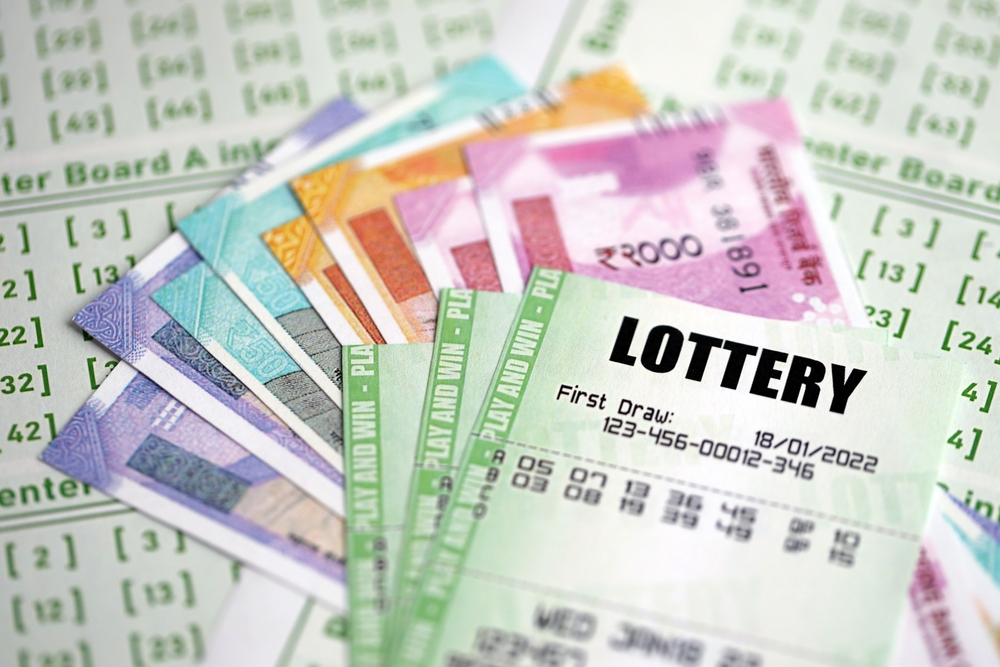
Playing the lottery can be an entertaining way to dream big, but it should never come at the cost of your financial stability or peace of mind. Responsible lottery play is about balance—enjoying the excitement while keeping your spending realistic, intentional, and under control. When approached wisely, lottery play remains a form of entertainment rather than a financial risk.
Understanding Responsible Lottery Play
Responsible lottery play means recognizing that lottery games are games of chance, not investment strategies. The odds are typically very low, and outcomes are unpredictable. Spending smart ensures that lottery participation never interferes with essential expenses like rent, food, savings, or debt repayment.
At its core, responsible play is about:
- Self-awareness
- Financial discipline
- Emotional control
Why Spending Smart Matters
Lottery spending can quietly add up. A few small purchases each week may seem harmless, but over time they can strain your budget if left unchecked. Spending smart protects you from financial stress and keeps lottery play enjoyable instead of regretful.
Key reasons to manage lottery spending wisely:
- Prevents overspending and debt
- Maintains healthy financial priorities
- Reduces emotional disappointment
- Encourages long-term financial stability
Set a Clear Lottery Budget
One of the most effective ways to play responsibly is to set a strict budget for lottery tickets. This budget should come from discretionary income—money left after all necessities and savings are covered.
Tips for creating a lottery budget:
- Decide on a weekly or monthly limit
- Treat lottery spending like entertainment, similar to movies or dining out
- Never chase losses by increasing your budget
- Stop playing once the limit is reached
If you wouldn’t be comfortable losing the money, it shouldn’t be spent on lottery tickets.
Avoid Common Spending Traps
Certain behaviors can quickly turn casual play into risky habits. Being mindful of these traps helps you stay in control.
Common pitfalls to avoid:
- Buying tickets impulsively
- Believing patterns or “lucky streaks” guarantee wins
- Using lottery play as a way to solve financial problems
- Playing more after losses to “win it back”
Understanding that each draw is independent helps keep expectations realistic.
Keep Lottery Play as Entertainment
The healthiest mindset is to see lottery play purely as entertainment, not income potential. The excitement of checking numbers and imagining possibilities is the real value—not the expectation of winning.
To maintain this perspective:
- Enjoy the experience, not the outcome
- Celebrate small wins without increasing spending
- Accept losses as part of the game
- Balance lottery play with other low-cost hobbies
Know When to Take a Break
Responsible play also means knowing when to pause or stop entirely. If lottery spending starts causing stress, guilt, or conflict, it’s a sign to reassess your habits.
Warning signs may include:
- Spending more than planned
- Hiding lottery purchases
- Feeling anxious about results
- Prioritizing tickets over necessities
Taking a break can restore perspective and help reset healthy boundaries.
Build Financial Goals Beyond the Lottery
Long-term financial security comes from planning, saving, and smart money management—not chance. Setting clear goals helps reduce reliance on lottery hopes.
Consider focusing on:
- Emergency savings
- Debt reduction
- Retirement planning
- Short-term goals like travel or education
When financial goals are clear, lottery play naturally stays in its proper place.
FAQ: Responsible Lottery Play
1. How much money is safe to spend on lottery tickets?
A safe amount is one that comes from disposable income and does not affect your ability to pay bills, save, or meet financial goals.
2. Is it okay to play the lottery regularly?
Yes, as long as it stays within a set budget and does not lead to financial or emotional stress.
3. Can lottery winnings be considered a financial plan?
No. Lottery winnings are unpredictable and should never replace saving, investing, or budgeting strategies.
4. How can I stop myself from overspending on lottery tickets?
Set a strict budget, track your spending, and avoid buying tickets impulsively or after losses.
5. What should I do if lottery play feels stressful?
Take a break, reassess your spending habits, and refocus on financial priorities and healthier forms of entertainment.
6. Are small wins a reason to spend more on tickets?
No. Small wins should not justify increasing spending, as each draw is independent and odds remain the same.
7. How does responsible lottery play support mental well-being?
It reduces financial anxiety, prevents regret, and keeps the experience fun rather than emotionally draining.