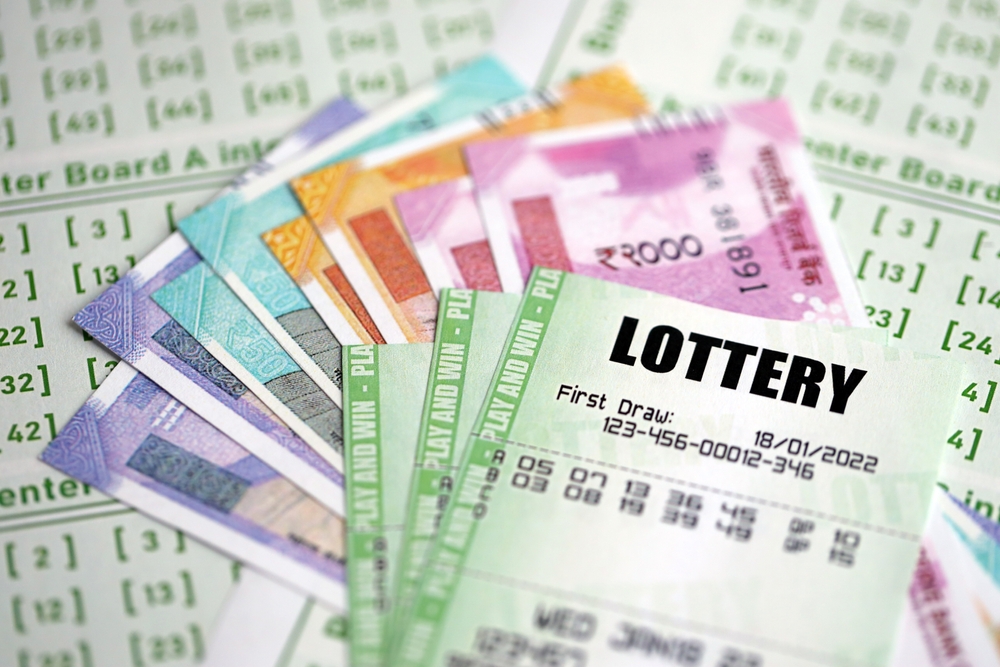
The lottery is one of humanity’s oldest and most widespread forms of gambling, rooted deeply in history and culture as a symbol of chance and possibility. From ancient civilizations to modern state-run and online games, lotteries have evolved in complexity and popularity, serving purposes ranging from funding public projects to inspiring everyday dreams of fortune. This article traces the remarkable journey of the lottery—its origins, transformations, and enduring appeal that continues to captivate millions around the globe.
Ancient Origins: The Dawn of the Lottery
The lottery’s story stretches back thousands of years, connected with some of the earliest civilizations.
China’s Han Dynasty and Keno
The first recorded instance reminiscent of a lottery occurred in China’s Han Dynasty (205–187 BC), where “keno slips” were used in a lottery-like game believed to help finance large government projects, including the Great Wall of China. It is thought that these games involved players selecting numbers and receiving payouts based on draws, forming the foundation of modern number game lotteries.
Ancient Rome
Lotteries in Rome served both recreational and civic purposes. Emperor Augustus organized lotteries where tickets were distributed at banquets and prizes ranged from valuable goods to money. These “apophoreta” were often used to fund public works and entertain the populace, blending philanthropy with diversion.
European Lotteries: A Formalized Tradition
The concept of public lotteries flourished in Europe from the 15th century onward, proliferating across cities attempting to raise money for public infrastructure and poor relief.
The Low Countries and the First Public Lotteries
Records from cities like Ghent, Utrecht, and Bruges point to lotteries active in the mid-1400s, with the first documented public lottery in 1466 Bruges designed to raise funds for city walls and other projects. The Dutch term “lot” meaning “fate” or “share” gave the lottery its name in English.
Italy and the Birth of Lotto
In 1449, Milan organized one of the earliest Italian lotteries to finance a war effort. Meanwhile, Genoa’s Lotto introduced a number-based lottery with participants betting on possible outcomes, selecting numbers corresponding to candidates for political or social offices. This early lotto game connected political processes with gambling and became a model for future lotteries worldwide.
France and Royal Patronage
King Francis I introduced lotteries to France in 1539 with the Loterie Royale. Although it initially faced opposition due to high ticket prices, state-backed lotteries became a popular method of funding public projects over the next centuries, notably supporting military schools and infrastructure.
England’s State Lottery
In 1566, Queen Elizabeth I chartered a state lottery to improve harbors and support public causes. Despite criticism, lotteries were a major source of state revenue until the early 19th century when concerns about corruption and morality led to their suspension.
The New World and Lotteries
In the early American colonies, lotteries became a crucial fund-raising tool for public works, education, and military expenses. Jamestown’s early lotteries financed the settlement’s establishment, and lotteries continued to support prominent institutions and infrastructure nationwide. However, widespread abuses caused many states to outlaw lotteries by the late 19th century.
The Modern Lottery: Regulation, Innovation, and Global Reach
The 20th century saw the rebirth of lotteries as regulated, mainstream enterprises.
-
State lotteries began reemerging with New Hampshire launching the modern era’s first in 1964.
-
Technological advances introduced computerized drawings, instant scratch cards, and multi-state games like Powerball and EuroMillions, generating massive jackpots.
-
Increasingly, a portion of lottery revenues supports public services such as education, health programs, and infrastructure.
The rise of online lotteries has further democratized access, allowing global participation and broadening appeal.
Why the Lottery Endures: The Universal Appeal
-
Accessibility: Low-cost tickets enable nearly anyone to dream of life-changing outcomes.
-
Simplicity: Easy to understand and participate in, regardless of experience.
-
Hope and Anticipation: Lotteries offer a chance to imagine an extraordinary future.
-
Social and Charitable Impact: Many lotteries fund community and public initiatives, linking entertainment to altruism.
Responsible Play and Cultural Reflections
While the lottery is a form of gambling, responsible play emphasizes entertainment over expectation:
-
Viewing lotteries as fun rather than investment.
-
Setting limits on participation.
-
Understanding odds and odds’ low probability of massive wins.
Lotteries also inspire art, literature, and serve as metaphors for fate, chance, and destiny, reflecting deep societal views on luck and fortune.
Conclusion: The Lottery’s Enduring Place in Human Story
From ancient civilizations using it to build monumental projects, to contemporary societies offering dreams of fortune, the lottery resonates as a timeless act of faith in chance and possibility. It is a game deeply intertwined with cultural history and human psychology, inviting players not just to wager, but to imagine a different life.
Whether purchased at a corner store, online, or through national programs, lotteries continue to sparkle with promise—each ticket a whisper of hope, a moment of excitement, and a shared celebration of the unpredictable nature of fate.