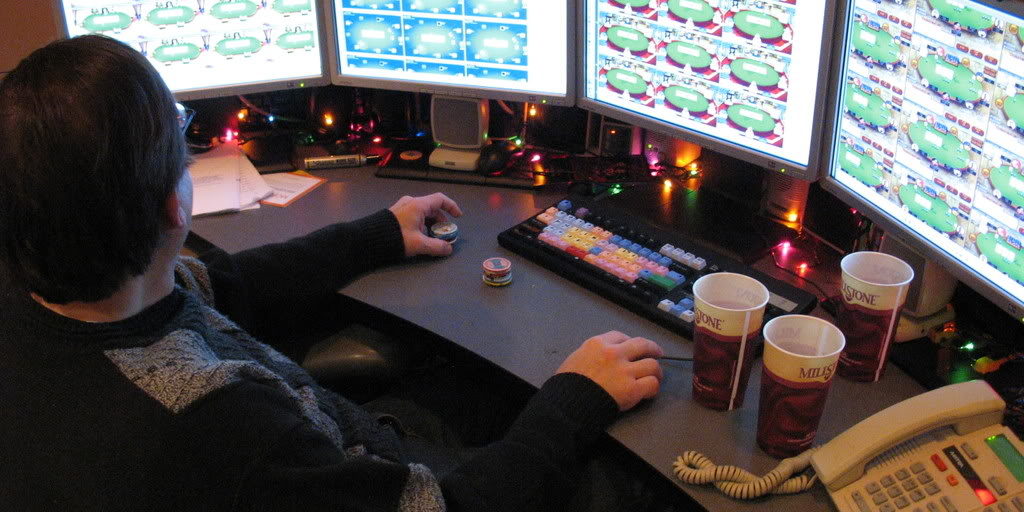
Multi-tabling is one of the fastest ways for online poker players to increase volume, smooth variance, and maximize hourly earnings. But playing more tables isn’t automatically profitable. Without the right strategy, multi-tabling can quickly turn into rushed decisions, missed value, and costly mistakes.
This guide breaks down practical, field-tested multi-tabling strategies that help you stay sharp, disciplined, and profitable as table count increases.
What Is Multi-Tabling in Online Poker?
Multi-tabling means playing two or more poker tables simultaneously in an online environment. Depending on skill level and format, players may run anywhere from 2 to 20+ tables at once.
The core advantage is simple:
-
More hands per hour
-
More consistent win rates
-
Reduced impact of short-term variance
The challenge lies in maintaining decision quality while managing cognitive load.
Choosing the Right Poker Format for Multi-Tabling
Not all poker formats scale equally when you add tables.
Best Formats for Multi-Tabling
-
Cash Games – Consistent stacks and repeatable decisions
-
Sit & Go Tournaments – Structured play with predictable stages
-
Low-Stakes Games – Softer fields allow simpler exploitative strategies
Harder Formats to Scale
-
Large-field MTTs – Frequent table changes and deep-stack decisions
-
Short-handed or Heads-Up Games – Require constant attention and adaptation
Cash games are generally the most forgiving starting point for multi-tablers.
Start Small and Scale Gradually
One of the biggest mistakes players make is adding too many tables too quickly.
Smart progression approach
-
Begin with 2 tables
-
Add 1 table at a time
-
Only increase when decisions feel automatic and unrushed
If your win rate drops sharply after adding a table, scale back immediately.
Simplify Your Preflop Strategy
Multi-tabling demands speed and consistency, especially preflop.
Key Adjustments
-
Use tight, position-based opening ranges
-
Reduce marginal calls from early position
-
Avoid complicated multi-street bluffs without clear equity
A simplified preflop game:
-
Saves mental energy
-
Reduces timing pressure
-
Minimizes costly borderline decisions
Postflop creativity matters less when volume is high.
Table Selection Is More Important Than Ever
When multi-tabling, you don’t need to outplay everyone—you need to play weaker opponents more often.
What to Look For
-
High average pot sizes
-
Players with high VPIP (loose tendencies)
-
Short stacks making frequent mistakes
Strong table selection allows you to:
-
Play more straightforward poker
-
Reduce difficult decisions
-
Maintain profitability with less mental strain
Optimize Your Poker Setup
Your physical and software setup has a direct impact on performance.
Essential Setup Tips
-
Use a large monitor or dual-screen layout
-
Tile tables instead of stacking when possible
-
Disable unnecessary animations and pop-ups
-
Customize bet sizing buttons for speed
A clean interface reduces misclicks and improves reaction time across all tables.
Master Time Management and Focus
Multi-tabling rewards consistency, not marathon sessions.
Focus Strategies
-
Play in short, high-energy sessions (60–90 minutes)
-
Take breaks between sessions
-
Avoid distractions like phones or background videos
Mental fatigue leads to autopilot decisions, which slowly erode your edge.
Track Results and Watch for Leaks
As table count increases, mistakes become harder to notice in real time.
What to Review Regularly
-
Win rate by number of tables played
-
Biggest losing sessions after table increases
-
Repeated spots where time pressure affects decisions
Tracking helps identify the maximum number of tables you can play profitably.
Know When Not to Multi-Table
More tables are not always better.
Avoid multi-tabling when:
-
Playing new stakes or formats
-
Facing particularly tough player pools
-
Learning advanced postflop strategies
Single-table focus is still valuable for skill development and adjustment-heavy games.
FAQs
How many tables should a beginner play at once?
Most beginners should start with two tables and only add more once decision-making feels comfortable and controlled.
Does multi-tabling reduce win rate?
Yes, win rate per table usually decreases, but total hourly profit often increases due to higher volume.
Is multi-tabling better for cash games or tournaments?
Cash games are generally better because of stable stacks and predictable decision patterns.
Can multi-tabling help reduce variance?
Playing more hands per hour smooths short-term variance, but it doesn’t eliminate long-term swings.
What’s the biggest mistake players make when multi-tabling?
Adding too many tables too quickly and relying on autopilot rather than solid fundamentals.
Do professional players always multi-table?
Many do, but pros adjust table count based on game softness, stakes, and personal focus levels.
When should I reduce the number of tables?
If you notice rushed decisions, missed value bets, or declining win rates, it’s time to scale back.