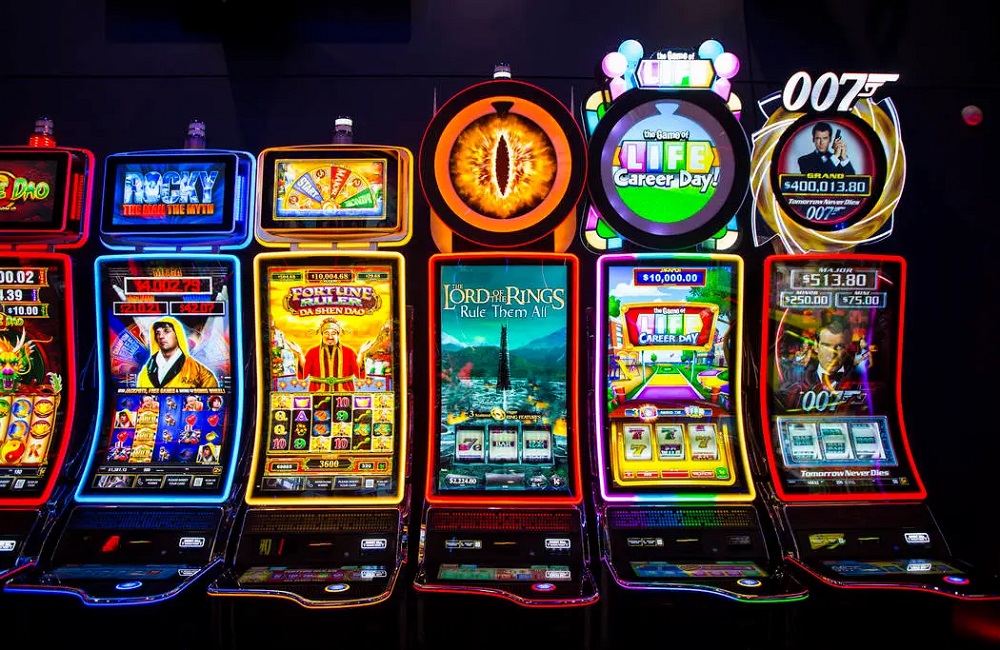
Slot machines look simple on the surface—spin, wait, win or lose. Behind that glossy cabinet and catchy sound effects, however, sits a tightly regulated mix of mathematics, software engineering, and probability theory. Understanding how slots actually work clears up common myths and helps players make informed decisions.
The Core Engine: Random Number Generators (RNGs)
At the heart of every modern slot machine is a Random Number Generator (RNG). This is not a physical component but a software algorithm.
Key facts about RNGs:
-
They generate thousands of numbers per second, even when no one is playing.
-
Each number corresponds to a specific reel position.
-
The moment you press Spin, the current number is locked in.
-
Previous spins have no influence on future outcomes.
This means slot machines have no memory. A machine that hasn’t paid out in hours is no more “due” than one that just hit a jackpot.
Virtual Reels vs. Physical Reels
Classic machines once used physical reels, but today’s slots rely on virtual reels.
How virtual reels work:
-
Each reel contains dozens or hundreds of virtual positions
-
High-paying symbols appear less frequently
-
Low-paying symbols appear more often
This setup allows casinos to finely tune payout behavior without changing how the reels look to players.
Return to Player (RTP): The Long-Term Math
Return to Player (RTP) is the percentage of all wagered money a slot is designed to return over time.
Example:
-
A slot with 96% RTP
-
For every $100 wagered
-
The machine returns $96 on average over millions of spins
Important clarifications:
-
RTP applies to long-term play, not a single session
-
Short-term results can vary wildly
-
A high RTP does not guarantee frequent wins
Volatility: Why Some Slots Feel “Hot” or “Cold”
Volatility (also called variance) describes risk level, not payout size.
Types of volatility:
-
Low volatility: Frequent small wins
-
Medium volatility: Balanced play
-
High volatility: Rare but potentially massive payouts
Two machines with the same RTP can feel completely different due to volatility alone.
Payout Tables and Paylines Explained
Every slot has a predefined paytable that dictates how wins are calculated.
Behind the scenes, the paytable controls:
-
Symbol values
-
Bonus triggers
-
Multipliers
-
Line combinations
Modern slots often use:
-
Fixed paylines
-
Adjustable paylines
-
“All ways” or cluster-based mechanics
Regardless of format, the RNG determines the outcome before animations begin.
Bonus Features Are Not Random Add-ons
Free spins, wilds, scatters, and bonus games are hard-coded into the math model.
What this means:
-
Bonus frequency is predetermined
-
Bonus payouts are already included in RTP
-
Trigger animations are cosmetic, not causal
A dramatic “near miss” is just visual theater—not a signal of increased odds.
Regulation and Testing
Slot machines are heavily audited in licensed jurisdictions.
They undergo:
-
RNG certification
-
Statistical testing
-
Compliance verification
-
Periodic audits
Any machine that deviates from its approved behavior risks immediate removal and penalties.
Common Myths That Don’t Hold Up
Myth: Slots loosen up at night
Reality: RNG behavior is constant 24/7
Myth: Casinos can flip a switch to change payouts
Reality: Any change requires regulatory approval and physical reconfiguration
Myth: Using a player card affects outcomes
Reality: Tracking is for rewards, not results
Why Understanding This Matters
Knowing how slots function:
-
Prevents false expectations
-
Encourages responsible play
-
Helps players choose machines aligned with their risk tolerance
Slots are entertainment driven by mathematics—not patterns, luck cycles, or intuition.
Frequently Asked Questions (FAQ)
1. Can two identical slot machines pay differently?
Yes. Machines with the same theme can be configured with different RTP or volatility settings depending on casino regulations.
2. Do online slots work differently from land-based slots?
The core RNG logic is the same, but online slots can offer more complex features due to fewer hardware limitations.
3. Are progressive jackpots harder to win?
Yes. Progressive jackpots usually have higher volatility and allocate a portion of each bet toward the jackpot pool.
4. Can casinos see when a slot is about to pay?
No. Casino staff cannot predict or influence individual outcomes.
5. Why do slots show “near wins” so often?
Near-miss visuals are designed for engagement and do not reflect actual odds.
6. Does changing bet size affect odds?
The probability of winning stays the same, but higher bets may unlock larger payouts or bonus eligibility.
7. Are skill-based slot machines truly skill-based?
Most “skill-based” slots still rely primarily on RNGs, with limited skill elements affecting only bonus payouts.