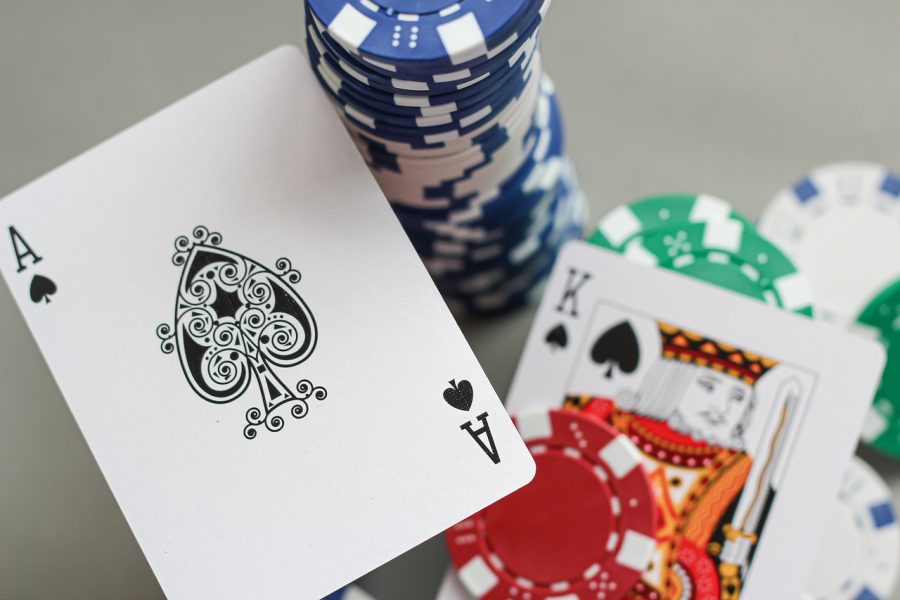
Blackjack is much more than a simple card game; it is a captivating mix of mathematics, psychology, and tradition. Commanding a place as one of the most popular casino games worldwide, Blackjack enchants players with its perfect balance of luck and savvy decision-making. From its debated European origins to its evolution into a global staple, the story of Blackjack weaves together history, culture, and innovation.
Tracing the Origins: From Vingt-et-Un to Blackjack
The true beginnings of Blackjack remain somewhat mysterious, but historical evidence largely points to early 18th-century France. The game known as Vingt-et-Un (“twenty-one” in French) was popular in French casinos and the royal courts, notably during the reign of King Louis XV. This game’s core objective—to reach a hand total of 21 points without going over—formed the foundation of modern Blackjack.
Interestingly, literary references from the early 1600s also describe similar games. The Spanish author Miguel de Cervantes, in his work Rinconete y Cortadillo, mentions veintiuna (Spanish for twenty-one) as a game emphasizing a total of 21 and featuring the Ace’s unique role as either 1 or 11 points.
Other European countries had similar versions, such as the Spanish “Thirty-One,” where players tried to reach 31 points with three cards. There is even speculation that ancient Romans played a primitive version using numbered blocks, though this remains unverified.
Blackjack Comes to America
French colonists introduced the game to North America in the late 17th or early 18th century. In American gambling halls, especially in New Orleans, the game flourished. However, early American Blackjack featured rules differing slightly from contemporary forms—for instance, only the dealer was allowed to double down.
The Birth of “Blackjack”: A Name Rooted in Marketing
The name “Blackjack” originated in the early 20th century, at a time when casinos sought inventive ways to attract players to the game. A bonus payout was offered for a hand consisting of the Ace of spades and a black Jack (either the Jack of spades or clubs), which paid 10-to-1 odds—a lucrative incentive at the time.
Though this special payout was eventually discontinued, the catchy nickname “Blackjack” stuck. The game continued to grow in popularity and became a staple in casinos after gambling laws in Nevada legalized it in 1931.
Game Mechanics: Simple Rules, Endless Depth
Blackjack’s genius lies in its elegant simplicity paired with strategic depth.
Card Values and Hands
-
Number cards (2–10) hold their face value.
-
Face cards (King, Queen, Jack) are each worth 10 points.
-
Aces can be valued as either 1 or 11, depending on what benefits the player.
Objective
Players compete against the dealer, striving to have a hand value closer to 21 without exceeding it (busting).
Player Choices
-
Hit: Take another card to improve the hand.
-
Stand: Keep the current hand and end your turn.
-
Double Down: Double the initial bet and receive exactly one more card.
-
Split: If dealt a pair, split them into two separate hands.
-
Surrender: Some games allow forfeiting half the bet to quit early.
Dealer Rules
The dealer must hit until reaching at least 17 points, and stand thereafter, adding a firm structure to gameplay.
The Strategic Allure: Skill Meets Chance
What separates Blackjack from many casino games is the player’s ability to influence the outcome. Knowledge and strategy can reduce the house edge to less than 1%, a remarkable feat in gambling.
-
Basic Strategy: Research and statistical analysis have produced comprehensive charts guiding players to optimal decisions based on their hand and the dealer’s face-up card.
-
Card Counting: Though controversial and often disallowed in casinos, card counting highlights the game’s potential for advantage play through memory and probability assessment.
-
Psychological Elements: Reading dealer patterns, handling pressure, and maintaining composure are crucial intangible factors.
Cultural Significance and Popularity
Blackjack’s representation in popular media—from films like Casino Royale to novels and documentaries—attests to its drama and appeal. It symbolizes the blend of risk, intellect, and human emotion, making it a compelling metaphor for life’s high-stakes decisions.
The game is accessible to a wide audience, offering novices pockets of excitement and professionals rich fields of challenge. Worldwide, Blackjack tables draw millions, spanning brick-and-mortar casinos, online platforms, and live dealer games.
Tips for New and Aspiring Players
-
Master Basic Strategy: Start with fundamental decisions to maximize your odds.
-
Practice Bankroll Discipline: Set limits and stick to them for sustainable play.
-
Avoid Insurance Bets: These rarely favor the player.
-
Stay Calm Under Pressure: Emotional control aids rational choices.
-
Use Online Simulations: Safe practice enhances confidence before playing for real stakes.
Conclusion: Blackjack’s Endless Charm
Originating from centuries-old European games and refined by American innovation, Blackjack is a paragon of gambling elegance. It captivates by offering a unique cocktail of simplicity, strategy, excitement, and social interplay.
Through ages, it has proved adaptable and timeless, enticing generations eager to test their luck and skill. Every hand in Blackjack is a story of calculated risk, psychology, and possibility—a classic game with an undiminished heartbeat.